


Tabea Becker, doctoral candidate in the research group of Prof. Dr. Sonja Herres-Pawlis
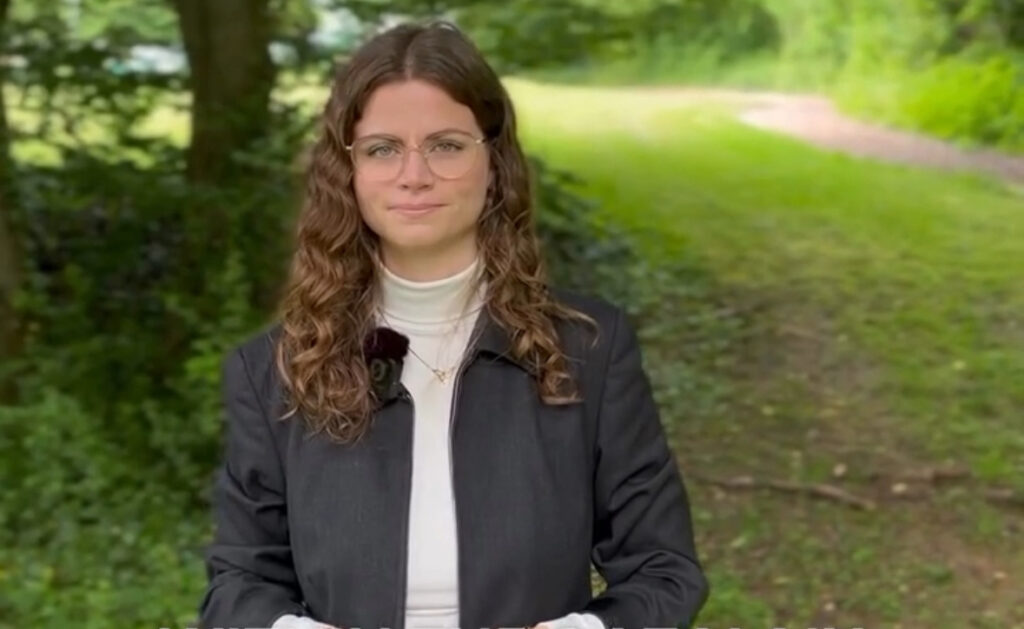
We are pleased to introduce you to the research group of Prof. Dr. Sonja Herres – Pawlis from the Institute of Inorganic Chemistry at RWTH Aachen University! Tabea Becker, a doctoral student in the research group, gives us insights into her daily research, including personal challenges and highlights as part of the “Chemical Transformations” sub-area […]
Researcher Workshop with guest lecture by Prof. Nick Wierckx
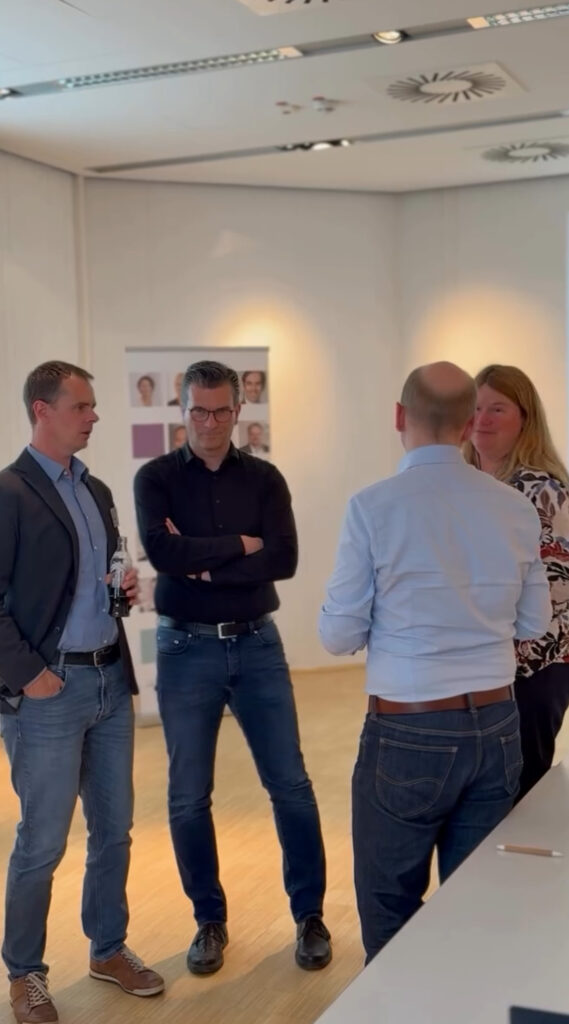
This researcher workshop began with a guest lecture by Prof. Nick Wierckx, who spoke about the upcycling of polymers by microorganisms. A central focus of his research is the biodegradation of nylon, a particularly challenging task due to the material’s high stability, and its subsequent upgrading to polyhydroxybutyrate (PHB) by bioengineered microorganisms. Afterwards, researchers from […]
Dye naturally
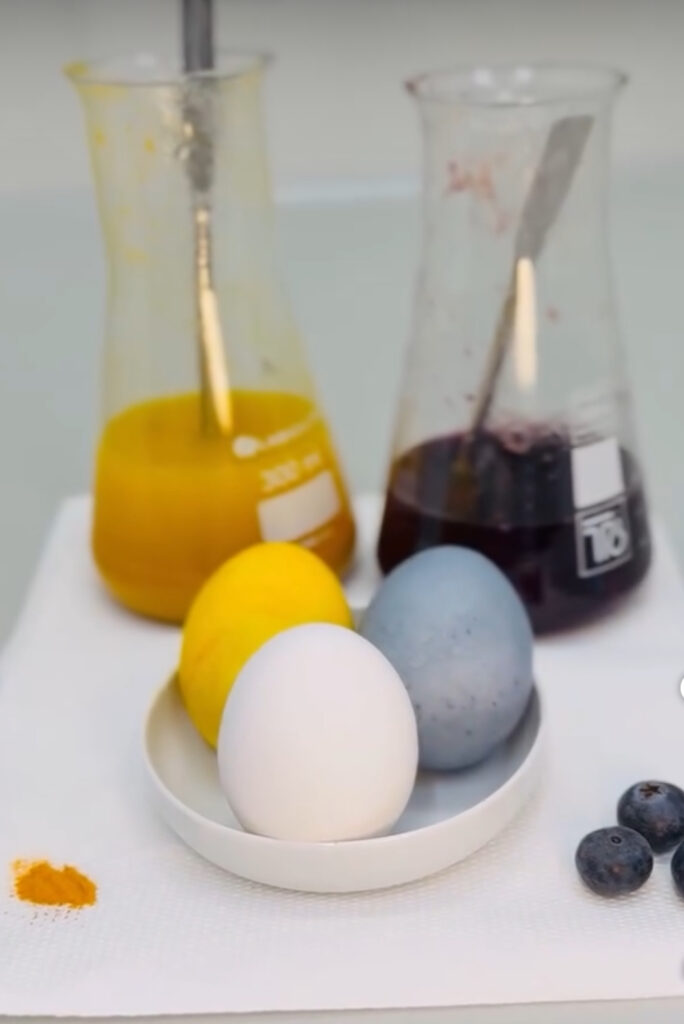
Want to dye eggs (or fabrics) naturally? It’s easy! Did you know that the color of blueberries comes primarily from a group of plant pigments called anthocyanins? These belong to the flavonoid family and are responsible for the fruit’s deep blue to violet color. Turmeric contains curcumin, a vibrant yellow-orange natural pigment, as its main […]
Lack of transparency in the recycling industry
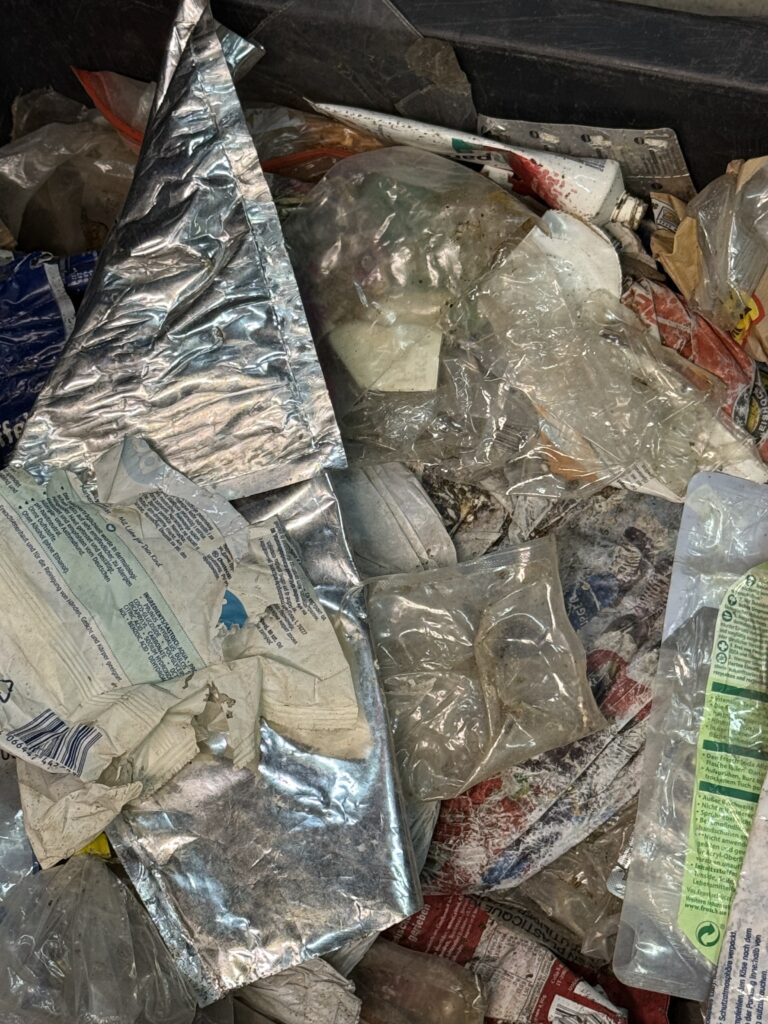
Derzeit herrscht in den technischen Prozessen der Recyclingindustrie noch erhebliche Intransparenz. Aufgrund der hohen Variabilität der Abfallstoffe und des fehlenden Wissens über deren spezifische Zusammensetzung können technische Systeme oft nicht optimal und effizient betrieben werden. The ANTS project, led by catalaix PI Prof. Dr. Kathrin Greiff, is contributing to increasing transparency in the long term. […]
From data to solutions: process engineering for a sustainable future.
How can process engineering, data-driven tools, and systems analysis contribute to sustainable solutions? At the catalaix Principal Investigator (PI) workshop last week, the consortium presented current research, highlighted interdisciplinary collaborations within the catalaix network, and discussed next steps. Um kreislaufwirtschaftliche Strategien zu entwickeln, die über lineare Wertschöpfungsketten hinausgehen, sind ganzheitliche, innovative Ansätze auf molekularer Ebene […]
Circularity instead of Crisis – Chemistry shapes the Future
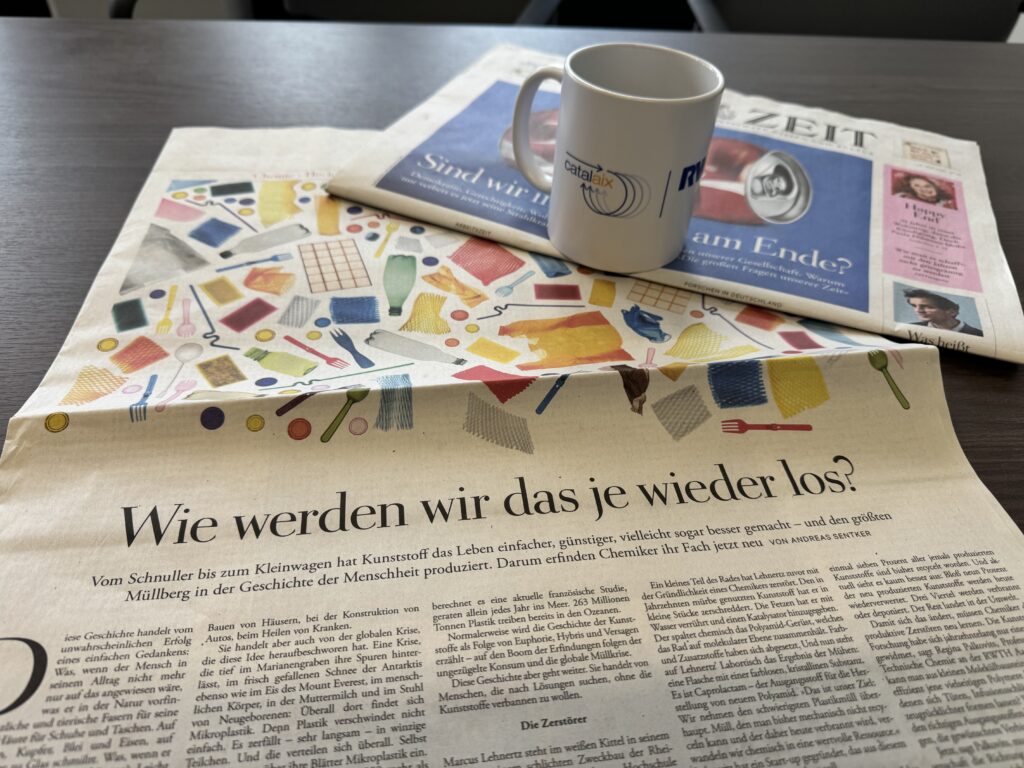
What if, instead of producing our waste linearly, we made it completely recyclable and converted it back into valuable materials? Plastic has revolutionized our lives, from pacifiers to small cars. But the price: the largest mountain of garbage in human history. The good news: Chemists are reinventing their discipline. Together with Andreas Sentker, managing editor […]
Circular Valley Convention
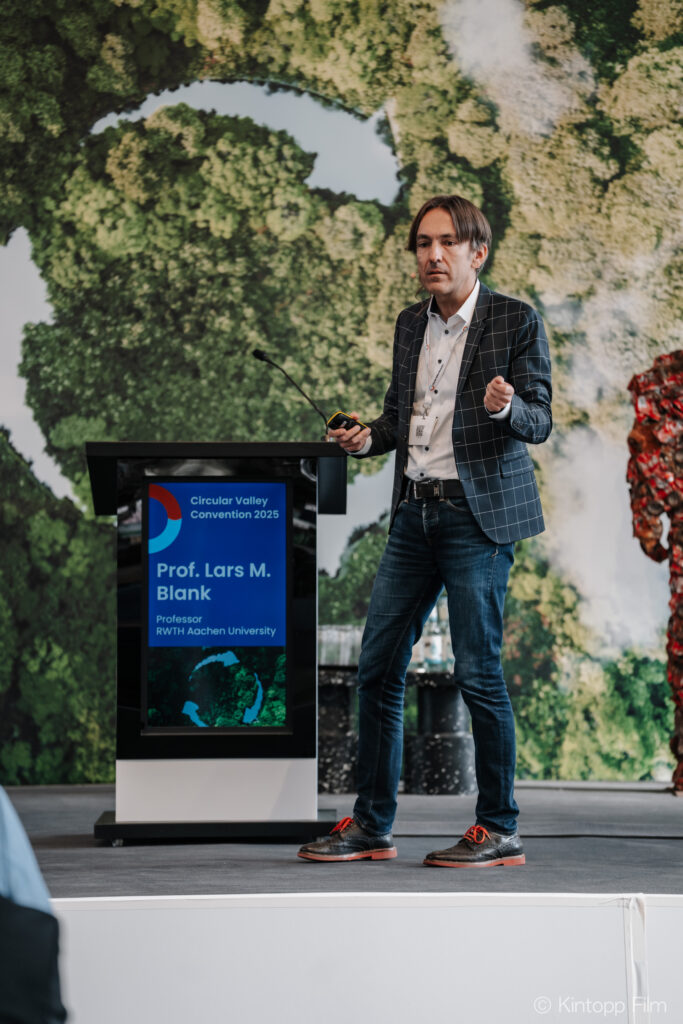
The Circular Valley Convention is a leading event promoting the circular economy. It explores innovative business models that extend product life cycles and conserve resources. It took place this month in Düsseldorf. Prof. Dr. Lars M. Blank (core team of catalaix) presented the vision and mission of our WSS research center for the next decade. […]
The focus of the workshop: the latest findings in chemistry and biology
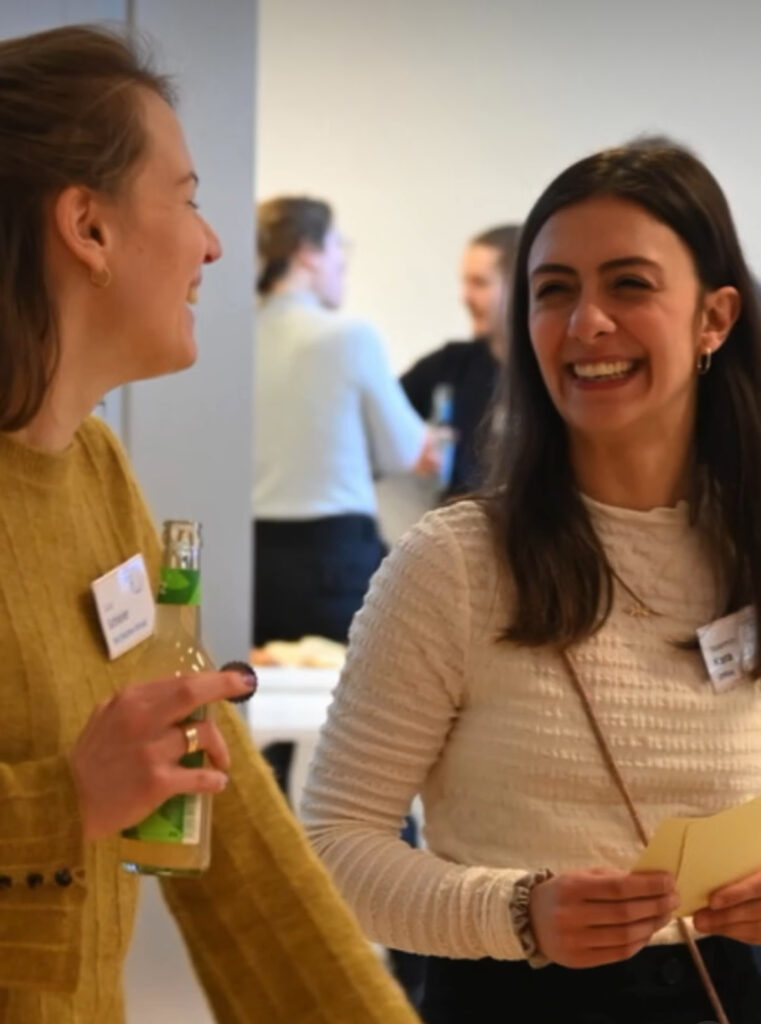
But not only chemists and biologists participated; contributions from computer science, process engineering, anthropogenic material flows, and operations management also demonstrated catalaix’s interdisciplinary approach. Our goal? A holistic transformation of the plastics sector. A special highlight: Dr. Jana Weber (TU Delft) took us into the world of molecular ensembles. She explained how AI-assisted in silico […]
Catalytic recycling: The key to sustainable plastics use!
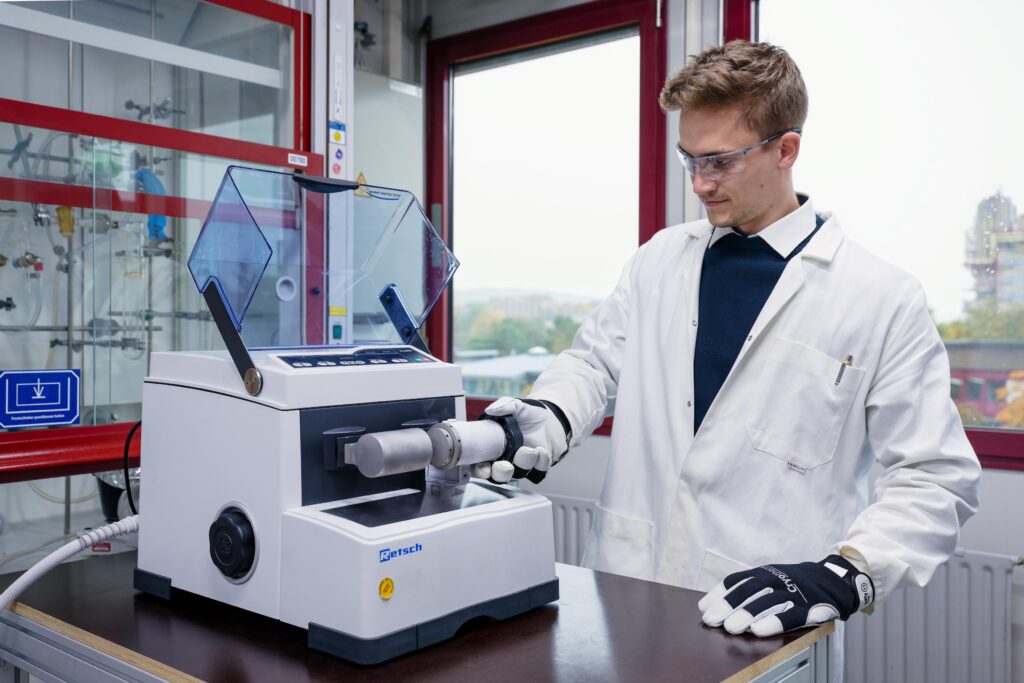
Catalytic recycling processes are revolutionizing the way we handle plastics. They offer the possibility of selectively breaking down different plastics and either finding optimal methods for simpler recycling processes or sensibly integrating new materials into production streams. The role of catalysts is crucial here! They enable the targeted and efficient conversion of plastics and other […]
ISOMET (tandem isomerization metathesis)
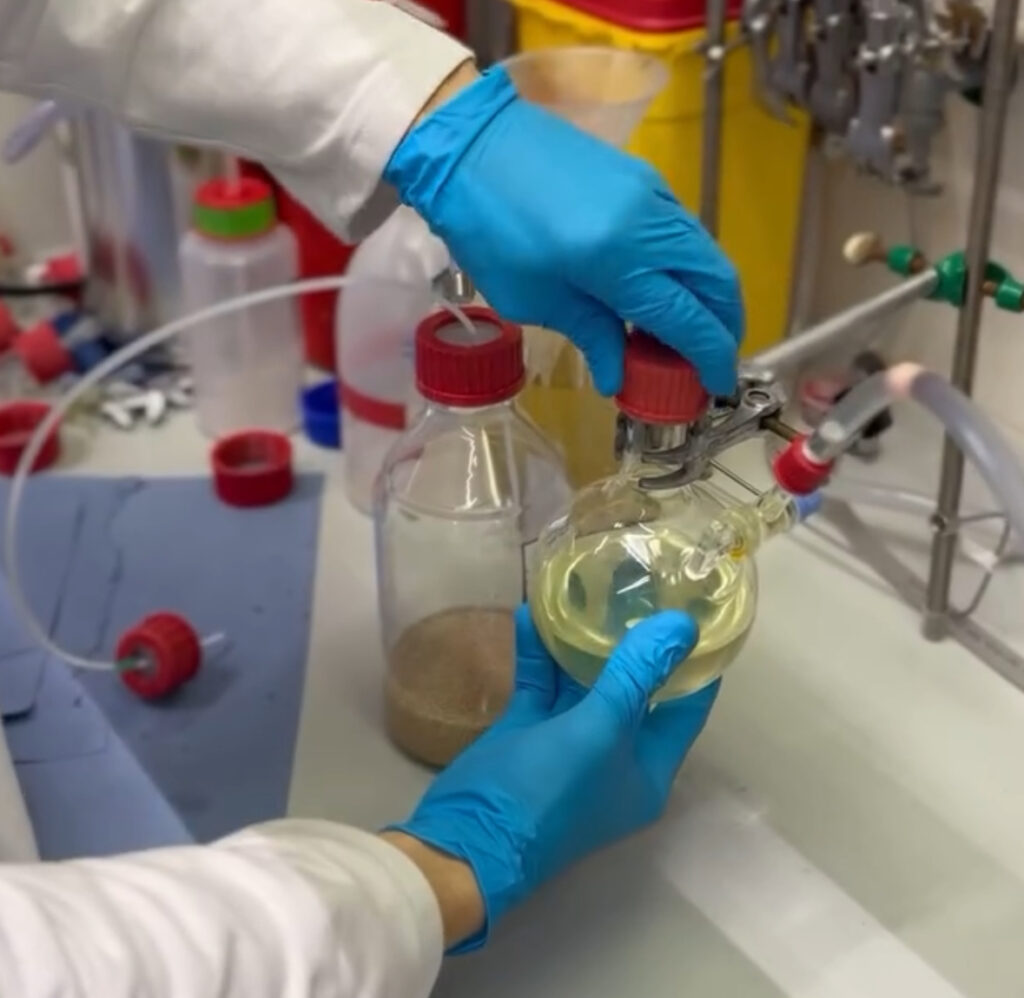
A new chemical process was developed. ISOMET (Tandem Isomerization Metathesis): Durable plastic waste, such as polyethylene (PE) from bottles, is converted into valuable chemical intermediates! How does it work? Step 1: Pyrolysis – The plastic is broken down into an oil with long hydrocarbon chains by slow heating. Step 2: A special catalyst breaks these […]